Experience the Power of Advanced U.S. Stem Cell THERAPY– Right Here in Arkansas.
Reclaim Your Family and Life
STEM CELL IV – Uses inflammation in the body to prioritize the destination of the cell.
SITE-SPECIFIC STEM CELL INJECTION – For targeting joints that are giving you problems.
MDVISIT CLINIC sources its products from certified laboratories that only collect donated cells from live births and pre-planned C-sections. Labs in the United States are required to track each donation to its original source. All donors are from within the USA and are extensively screened.
MDVISIT Clinic Stem Cell Centers of use only ethically sourced products, processed in FDA-certified labs. None of our products contain embryonic stem cells or involve aborted fetuses, as that would be both unethical and illegal.
Umbilical cord stem cells and exosomes naturally protect and nurture a growing baby. Similarly, these biological materials have shown remarkable potential in repairing and regenerating damaged tissues in the body. The results from using umbilical cord materials have been truly impressive!

Cutting Edge Stem Cell Therapy right here in Arkansas.
Eligibility Quiz
Curious if you’re a candidate. Take our 30-second quiz to find if stem cells are right for you?
We are thrilled to extend our cost savings to you when you choose to address a second treatment area following our primary treatment.

Knee Pain
Hip Pain
Shoulder Pain
Wrist/Hand Pain
Elbow Pain
Ankle/Foot Pain
Lower Back Pain
Arthritis
Inflammation
Wellness
Chronic Kidney Disease
Autoimmune
All-on-4 Dental Implant Surgery
Diabetes
Cardiovascular Conditions
Gastrointestinal Conditions
Neurological Conditions
Lyme Disease
Erectile Dysfunction
Migraines and Chronic Headaches
Radiation/Chemotherapy Recovery
Autism


I recently had stem cell injections in both knees at MDVISIT CLINIC, and I couldn’t be more impressed with the service. From the moment I walked in, the staff was welcoming and professional. The procedure itself was seamless, and I felt confident in their experience. The follow-up care has been equally outstanding, ensuring my recovery is on track. Thanks to MDVIIT CLINIC, I’m already noticing
improvement in my mobility, and I am grateful for their dedication to helping me regain my ability to exercise.
I recently had stem cell injections in both knees at MDVISIT CLINIC, and I couldn’t be more impressed with the service. From the moment I walked in, the staff was welcoming and professional. The procedure itself was seamless, and I felt confident in their experience. The follow-up care has been equally outstanding, ensuring my recovery is on track. Thanks to MDVIIT CLINIC, I’m already noticing
improvement in my mobility, and I am grateful for their dedication to helping me regain my ability to exercise.

Cellular tissue therapy has many different applications, but understanding your personal situation, and tailoring a therapy accordingly, is important. Schedule a consultation to learn more, and see if cellular tissue therapy is right for you.
Payment plans for stem cell therapies are available.
Now, we delve into the advanced stem cell therapies championed by the newly appointed Robert F. Kennedy Jr., the United States Health Secretary, as part of the “Make America Healthy Again” (MAHA).
Each regenerative therapy is explored for its potential to revolutionize healthcare by promoting healing, reducing reliance on pharmaceuticals, and enhancing overall health outcomes; This reflects a broader shift towards more integrative and advanced medical approaches in the United States.
With MDVISIT CLINIC, you’ll have access to the top oral surgeons and specialists in the United States, many ranking in the top 5% and 10% for both patient outcomes and experience. When your 2nd opinion is ready, your Case Coordinator will arrange a live video call with you and your consulting physician to discuss the findings and answer any questions you may have.
If English is not your first language, we can provide a second physician as an interpreter for the call. Unlike Mayo Clinic® and Cleveland Clinic®, who conduct consultations solely in English and do not offer live video calls with the physician, we prioritize making the process as seamless and supportive as possible.
If you have questions about the sign-up process or need assistance with uploading diagnostic information, simply reach out through our Contact Us page, and our team will be happy to help.
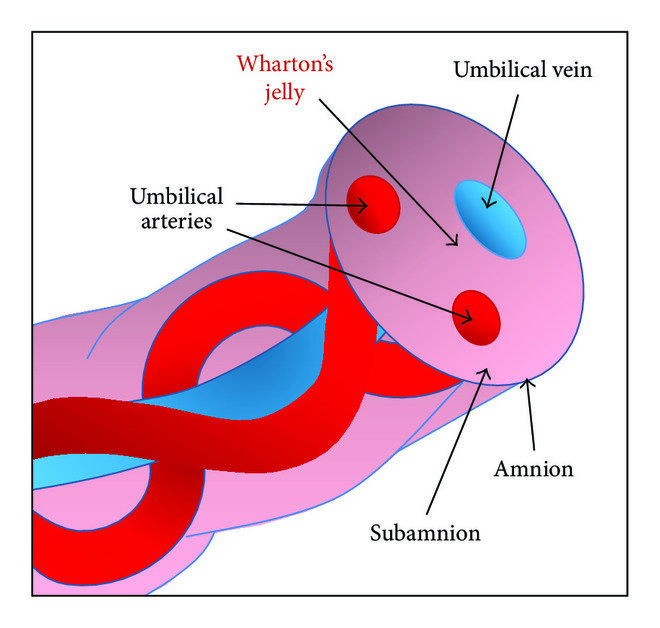
The umbilical cord is a rich source of biological materials used in regenerative therapies due to its unique components, including cord blood, Wharton’s Jelly, and exosomes. These elements contain stem cells, growth factors, and signaling molecules that support tissue repair and regeneration. The umbilical cord is typically collected after a baby is born
(with no harm to the mother or child), processed in ethical, FDA-certified labs, and used to treat various conditions by promoting healing and reducing inflammation.
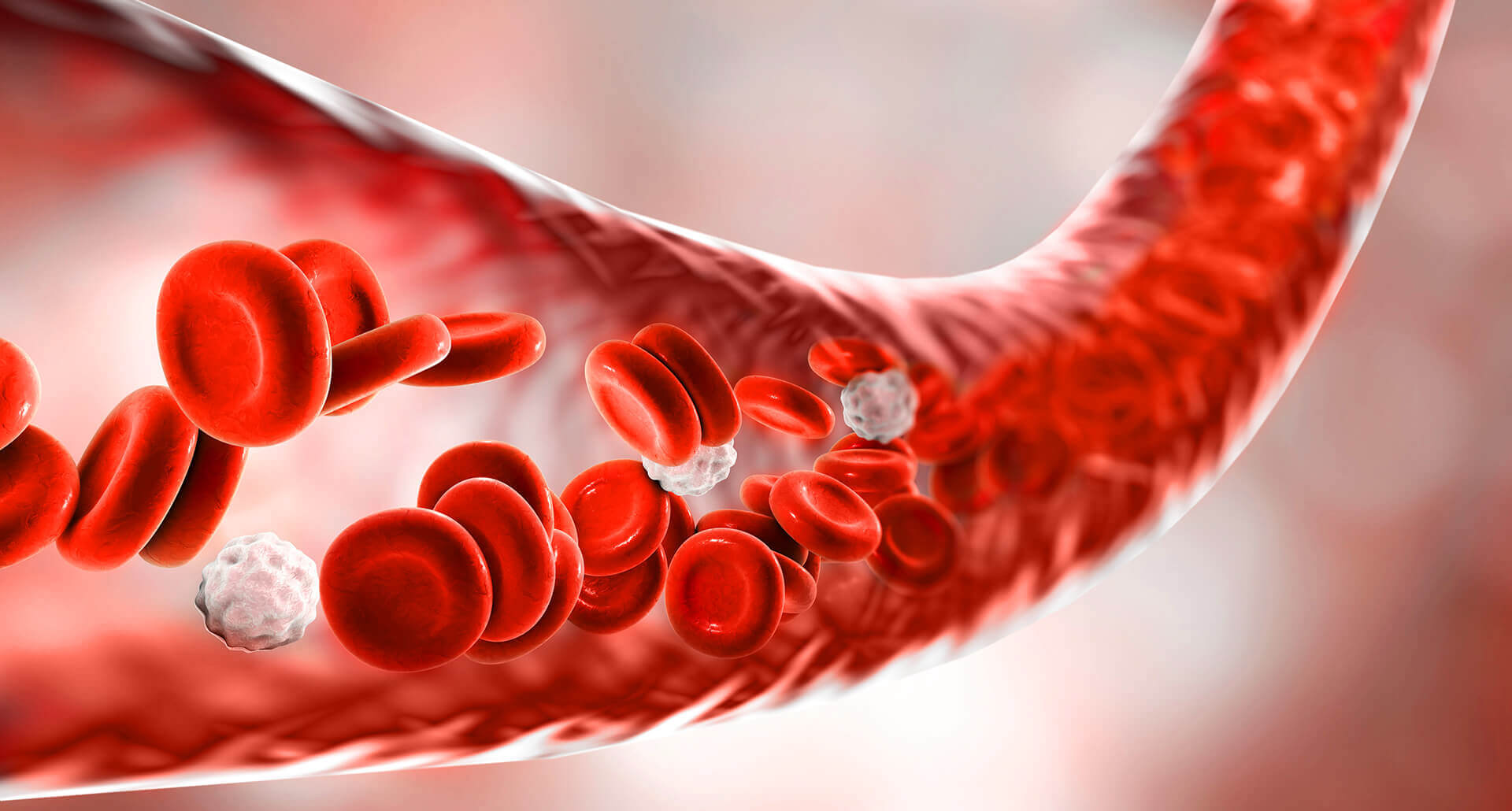
Cord blood, found within the umbilical cord, is a rich source of hematopoietic stem cells (HSCs), which are primarily used to regenerate blood and immune system components. These stem cells are widely applied in regenerative therapies to treat blood-related disorders like leukemia, lymphoma, and anemia, as well as immune system conditions. Cord blood stem cells are often transplanted to rebuild a patient’s blood and immune system, especially after treatments like chemotherapy.
Top 3 Benefits:
(More)
Wharton’s Jelly is a gelatinous substance within the umbilical cord that surrounds the blood vessels, protecting them during fetal development. It is a rich source of mesenchymal stem cells (MSCs), which are used in regenerative therapies to repair tissues like cartilage, bone, and muscle. These stem cells are particularly effective in treating orthopedic conditions (e.g., osteoarthritis), chronic wounds, and autoimmune disorders due to their ability to differentiate into various tissue types and modulate the immune response.
Top 3 Benefits:
(More)
Exosomes are tiny vesicles (30-150 nanometers) released by umbilical cord stem cells, particularly from Wharton’s Jelly MSCs. They act as messengers, carrying proteins, lipids, and RNA to target cells to promote healing. In regenerative therapies, exosomes are used to enhance tissue repair, reduce inflammation, and support cell communication, particularly in treating conditions like neurodegenerative diseases, cardiovascular issues, and skin injuries. They are often administered via injections or topical applications.
Top 3 Benefits:
(More)
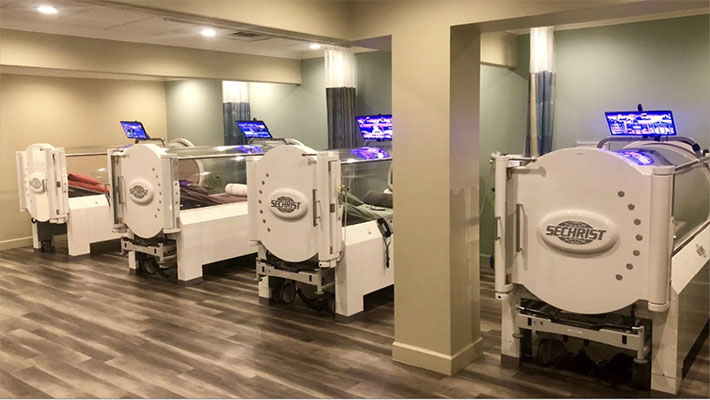
Hyperbaric oxygen therapy (HBOT) involves breathing pure oxygen in a pressurized chamber, which increases oxygen levels in the blood and tissues. In regenerative medicine, HBOT is used to enhance the effectiveness of stem cell therapies, such as stem cell injections and intravenous (IV) treatments. The increased oxygen promotes a favorable environment for stem cell survival, proliferation, and integration into damaged tissues.
(More)
Regenerative medicine involves therapies that repair, restore, or regenerate damaged tissues, offering a major leap beyond traditional treatments that merely mask symptoms. These therapies fall into two categories: those using a patient’s own biologics (like bone marrow or adipose tissue) and those from external sources (such as PRP therapy, amniotic fluid/membrane, or umbilical cord blood/tissue). Misinformation about external-source biologics is common, often spread by industry competitors using skewed data to mislead potential patients.
Amniotic and umbilical cord tissues are sourced from healthy, consenting donors under 35 during planned C-sections, with the process tightly regulated by the FDA to ensure safety through rigorous acquisition, testing, processing, and storage standards.
During a routine C-section, products of conception—such as amniotic fluid, placenta, and umbilical cord—are typically discarded. Instead, with the mother’s consent and the baby unharmed, these materials are donated, placed in a sterile container, and promptly delivered to a nearby FDA-registered, certified lab.
No, biologic materials do not come from “aborted fetuses.” During collection, babies are unharmed, and the donated materials, typically discarded, are used instead.
Additionally, embryonic stem cells are no longer legally used in the US. There’s no fetal tissue or cloning involved, and all donors are thoroughly screened and provide consent per FDA regulations.
This ensures there are no ethical concerns with using these products of conception.
Referred to as “products of conception,” regenerative materials from amniotic and umbilical tissues include:
While their precise role in fetal development is beyond this guide’s scope, these materials support fetal growth and translate to patient benefits in regenerative procedures, such as preventing infection and promoting tissue growth (e.g., collagen, tendon, lung, kidney, heart).
Research highlights several benefits of these materials, including:
A fitting analogy is that these materials form a regenerative “orchestra,” delivering a comprehensive array of components for patient treatment.
Note: Some competitor marketing may claim “products of conception” lack live cells. This can be true if biologics are heavily radiated or over-preserved during processing, but not if processed with minimal radiation and preservatives. This is why MDVISIT CLINIC carefully selects labs to ensure safe, high-quality products for optimal patient outcomes.
The range of conditions that may benefit from amniotic and umbilical procedures is broad and expanding. Under FDA regulations, these biologics can be used for conditions where physicians consider them safe and clinically appropriate. Our disclaimer remains: None of the therapies mentioned have been evaluated by the FDA. As with all medical procedures, MDVISIT CLINIC does not guarantee specific outcomes, and no protocol or biologic indication has been evaluated or approved by the FDA.
PRP, or platelet-rich plasma, is derived from a patient’s blood draw, placed in a kit, and spun in a centrifuge for 10-15 minutes. This separates the blood into layers, with the middle “buffy coat” layer containing concentrated platelets, white blood cells, and 8-12 growth factors. PRP has minimal, if any, stem cells, making it a valuable regenerative biologic but not a stem cell therapy.
In contrast, amniotic and umbilical cord materials contain over 80 growth factors, along with abundant cytokines, mRNA, exosomes, secretomes, and other elements, including stem cells. The concentration of these components varies by lab, depending on factors like preservatives or radiation used in processing.
No Harvest Required
Bone marrow stem cell procedures involve aspiration from the patient’s iliac crest (pelvis), which carries a 29% risk of chronic pain and potential complications like nerve or vessel injury, bowel perforation, or fracture. Additionally, stem cell quantity and quality in bone marrow decline sharply with age—1 in 10,000 cells at birth versus 1 in 2 million by age 70. Amplifying cell counts through culturing is illegal in the US, and concentrating bone marrow doesn’t solve the low cell count issue.
Adipose-derived stem cell procedures require mini-liposuction from the abdomen or buttock, but many patients lack sufficient fat tissue. While adipose tissue is rich in stem cells, over 80% die within 48 hours after processing and transfer, limiting their effectiveness.
Safety
Bone marrow aspirations have a high complication rate, with 29% of patients experiencing chronic pain—ironic when the goal is pain relief. Other risks include infection, bleeding, nerve/vessel damage, bowel perforation, and pelvic fracture. Mini-liposuction for adipose procedures has fewer complications, but the rapid stem cell die-off undermines its value.
Amniotic and umbilical materials bypass these issues entirely by eliminating the need for invasive harvesting. Amniotic fluid lacks sufficient HLA (MHC) factors to trigger rejection, making it immunologically privileged and safe from Graft-versus-Host reactions. Umbilical cord tissue or blood could potentially cause rejection if not processed correctly, but removing red blood cells eliminates HLA factors, preventing adverse reactions.
Consistency
Amniotic and umbilical materials offer high consistency when processed at FDA-certified labs, delivering robust and reliable cell counts. Unlike bone marrow and adipose, where cell numbers and quality drop significantly with age, these materials maintain their potency. A common myth claims processed amniotic fluid lacks live cells. However, the FDA doesn’t mandate radiation, and with minimal preservatives, cells remain viable. Cryopreservation also preserves cell vitality (as seen in egg donor programs), ensuring labs using careful methods deliver abundant live cells.
Excellent Outcomes
Countless studies demonstrate the effectiveness of amniotic and umbilical tissues for musculoskeletal conditions—PubMed is a great resource, with key references listed at this guide’s end. With a high benefit profile and minimal risk, these therapies are a medical “home run.”
No, amniotic and umbilical materials are not regulated as drugs; they are classified as biologics. While heavily overseen by the FDA, they are not subject to an approval or denial process. Here’s how the FDA categorizes regulation:
Specifically, these tissues are regulated as Section 361 products under Part 1271, requiring no FDA licensing or approval, per Section 361 of the Public Health Service (PHS) Act.
Dr. Arnold Caplan, a pioneer at Case Western Reserve University, is considered the father of modern stem cell therapy. His research reveals that regenerative materials primarily act as signals, prompting the body to “start working” and repair itself. He suggests redefining MSCs—typically Mesenchymal Stem Cells—as Medicinal Signaling Cells.
This shift “better reflects how these cells target sites of injury or disease, releasing bioactive factors that modulate the immune system and promote regeneration, essentially producing therapeutic drugs on-site.” He adds, “It’s the patient’s own local, tissue-specific stem cells that build new tissue, driven by the bioactive factors from the externally provided MSCs.”
MDVISIT CLINIC is growing clinics across the country offering regenerative procedures. If your nearest center doesn’t provide the specific treatment you need, our concierge service can help arrange travel to a center that does.
Regenerative procedures are not currently covered by insurance, but this isn’t because they’re ineffective. Insurance coverage is complex, even for FDA-approved drugs, and amniotic fluid or umbilical cord tissue can’t be patented by pharmaceutical companies.
New technologies often take 5-10 years to gain acceptance for coverage by commercial insurers and Medicare. A positive step is that some states now cover these procedures under Worker’s Compensation claims, as they help patients return to work.
MDVISIT CLINIC ensures finances don’t block access to regenerative therapies, offering various financing options and payment plans.
Substantial research on products of conception has been published in peer-reviewed journals or presented at national professional society meetings. New studies are added monthly, consistently demonstrating the safety of amniotic and umbilical materials.
These materials have also shown promising results for a range of conditions, including musculoskeletal disorders, neurodegenerative diseases, autism, stroke, organ failure, autoimmune conditions, and challenging cases like Lyme disease.
It’s inappropriate for anyone to set unrealistic expectations about these therapies. Terms like “heal” or “cure” are misleading and erode patient trust. No study shows 100% success, and while patients often experience improvement and relief, a “cure” is not guaranteed. When asked if our affiliated providers offer a “guarantee,” the answer is no—medical procedures are never certain. More accurate terms include facilitate, mitigate, or improve.
The biologic components in these materials collaborate to repair damaged tissue and support the body’s own repair processes. The degree of improvement varies because each person is unique.