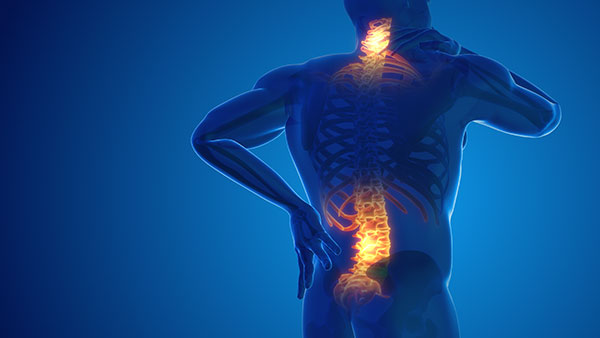
Neck Pain Surgery Explained, Including Pre-surgery and Post-surgery Activities
Your assigned neurosurgeon and his nurse will meet with you by video to review your second opinion results. He will answer your questions. If surgery is needed, and you are considering surgery in the United States, be sure to let him know.
Read below to gain a detailed understanding of the surgery process.
Abstract
Neck pain surgery, also known as cervical spine surgery, is performed to alleviate pain and other symptoms caused by conditions such as herniated discs, spinal stenosis, degenerative disc disease, and cervical radiculopathy. Below is a comprehensive overview of neck pain surgery, including pre-surgery preparation, the surgical procedure, and post-surgery recovery.
Pre-Surgery Preparation
Medical Evaluation:
Medical History and Physical Exam: Your surgeon will review your medical history and perform a physical examination to assess your neck condition.
Imaging: X-rays, MRI, or CT scans may be used to evaluate the extent of damage and plan the surgery.
Preoperative Tests:
Blood Tests: To check for anemia, infection, or other conditions.
EKG (Electrocardiogram): To evaluate heart health, especially if general anesthesia is planned.
Urinalysis: To detect any urinary tract infections or other issues.
Medication Management:
Adjustments: Certain medications, such as blood thinners, may need to be stopped before surgery.
Supplements: You may be advised to take or stop certain vitamins or supplements.
Pre-Surgical Education:
Instructions: Detailed instructions about pre-surgery preparation, including fasting, bathing, and what to bring to the hospital.
Rehabilitation Plan: Discussion about postoperative rehabilitation and physical therapy.
Preoperative Physical Therapy:
Strengthening Exercises: Engaging in exercises to strengthen the muscles around the neck and shoulders can improve recovery outcomes.
The Surgery
Anesthesia:
General Anesthesia: Typically used to put you to sleep during the procedure.
Types of Neck Pain Surgery:
Anterior Cervical Discectomy and Fusion (ACDF): Removing a herniated or degenerative disc through an incision in the front of the neck and fusing the adjacent vertebrae.
Posterior Cervical Laminoforaminotomy: Removing bone or tissue from the back of the neck to relieve pressure on spinal nerves.
Cervical Disc Replacement: Removing a damaged disc and replacing it with an artificial one.
Cervical Laminectomy: Removing part of the vertebra (lamina) to relieve pressure on the spinal cord or nerves.
Surgical Steps:
Incision: Making an incision in the front or back of the neck, depending on the procedure.
Procedure: Performing the specific type of neck surgery, such as disc removal, bone removal, or disc replacement.
Closure: Closing the incision with sutures or staples, and applying a bandage or dressing.
Post-Surgery Recovery
Immediate Postoperative Care:
Monitoring: You’ll be taken to a recovery room where you’ll be closely monitored.
Pain Management: Medications will be provided to manage pain and prevent infection.
Immobilization:
Neck Brace: You may need to wear a neck brace to support the cervical spine and ensure proper healing.
Physical Therapy:
Early Movement: Gradual movement of the neck to prevent stiffness, typically starting with gentle range-of-motion exercises.
Rehabilitation Exercises: Specific exercises will be prescribed to restore mobility, strength, and function.
Home Recovery:
Continued Physical Therapy: Ongoing physical therapy to ensure proper healing and restoration of neck function.
Pain Management: Continued use of pain medications as needed.
Wound Care: Keeping the surgical site clean and dry, and watching for signs of infection.
Follow-Up Appointments:
Checkups: Regular follow-up appointments with your surgeon to monitor healing and progress.
Long-Term Rehabilitation:
Gradual Increase in Activity: Gradually increasing activity levels under the guidance of your physical therapist.
Strength and Mobility: Exercises to strengthen the neck muscles and improve range of motion.
Expected Outcomes
Pain Relief:
Significant Reduction: Most patients experience significant pain relief after recovery.
Improved Mobility:
Enhanced Function: Increased range of motion and improved ability to perform daily activities.
Strength Recovery:
Muscle Strengthening: Regaining strength in the neck and shoulder muscles through rehabilitation exercises.
Quality of Life:
Enhanced Quality of Life: Overall improvement in quality of life due to reduced pain and improved neck function.
Conclusion
Neck pain surgery is a highly effective procedure for treating severe neck conditions that do not respond to conservative treatments. Proper pre-surgery preparation and diligent post-surgery care are crucial for optimal outcomes. Following your surgeon’s recommendations and engaging in regular physical therapy are key components of a successful recovery.